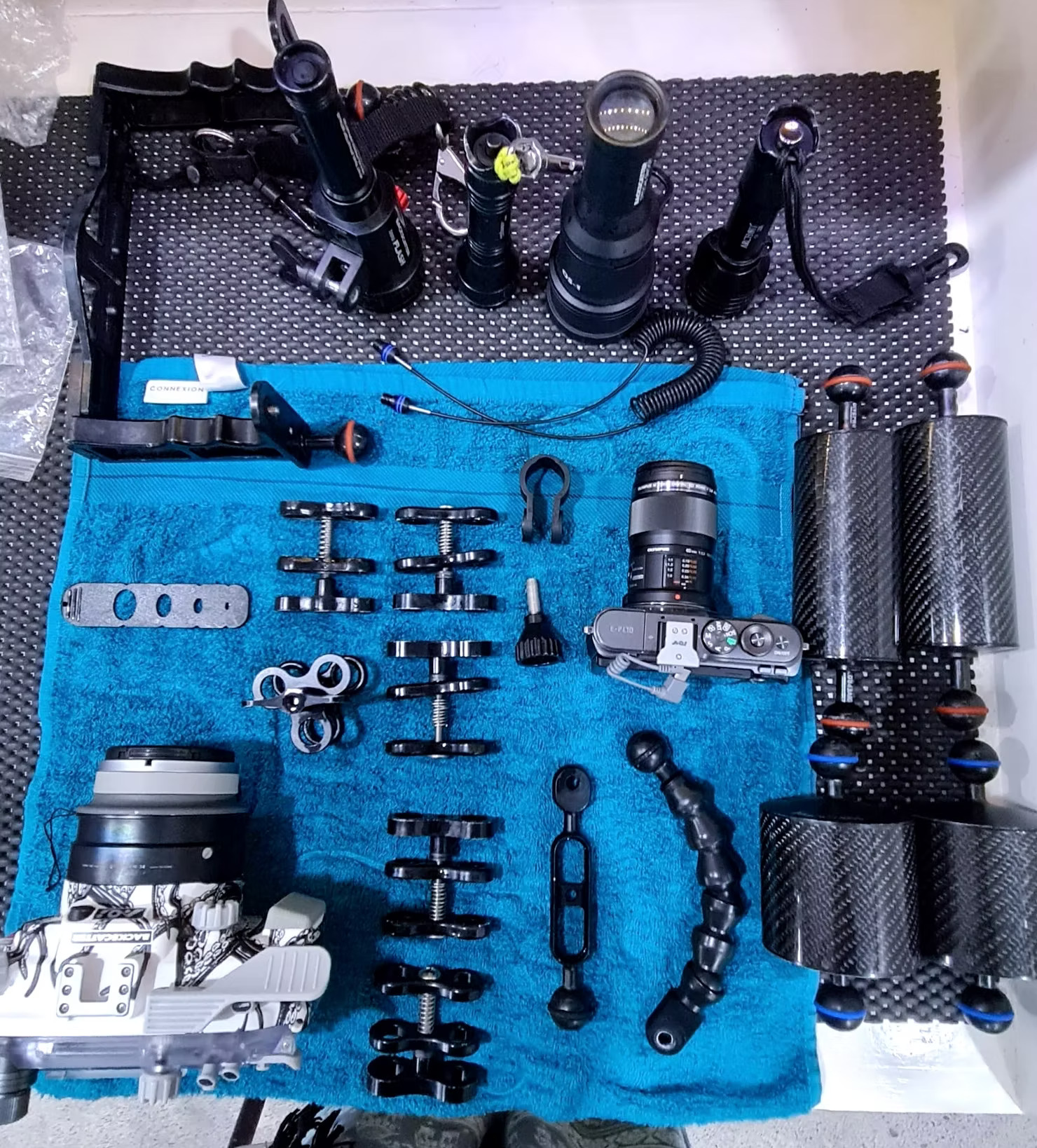
Olympus PEN E-PL10 was an upgrade from my TG-5, but the features, shape, size are very similar. I became complacent and started to treat it like a TG i.e. skipping IMPORTANT steps in the checklist. Rule no.1 - having a camera is like having a buddy, if you don’t want your buddy to have an accident always do your pre-dive check!
Here’s what my checklist looked like:
PREPARATION
- Battery charged? Check SD card
- Housing charged?
- O-ring cleaned/greased?
- Port extension properly in place? O-ring cleaned or greased? (Double check every time you change set up and clean every time after a sandy dive)
- Housing is clean of hair/dust/particles? Everything is in place?
- Camera in the housing? (I have seen someone forgot them)
- Desiccant Silica Gel in place?
- Check if the sensor is on & the flash trigger extension is in
- Housing Lock
- Vacuum - Pressure check
- Lights/Strobe check
- Fresh water tank check
Sometimes I do steps 1-7 the night before, but I made sure to double check step 4 & 5 in the morning. I also like to put my camera in the drying cabinet if there’s one. The Olympus M. Zuiko 60mm lenses can retain moisture, and may have condensation during the dive.
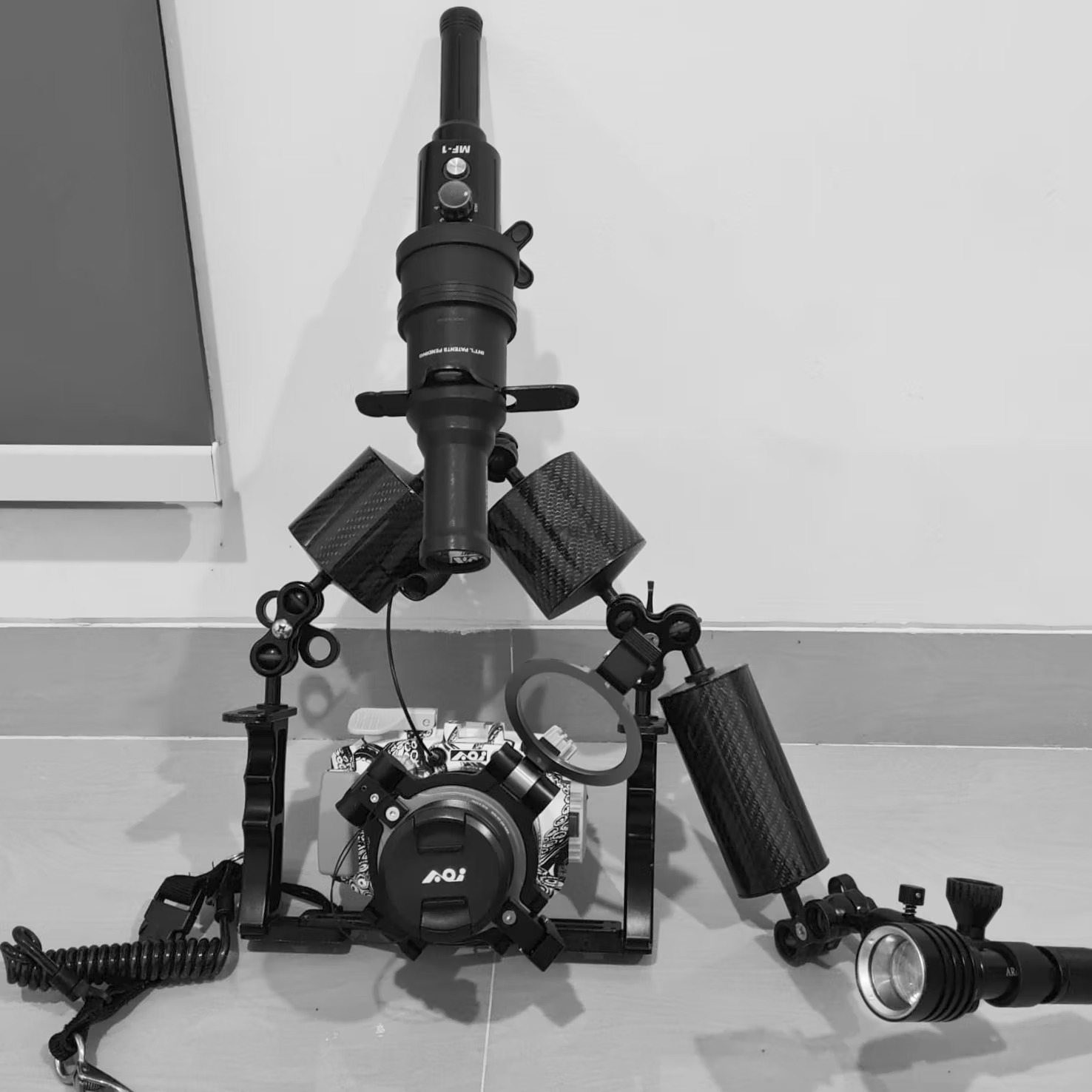
PRE-DIVE CHECK
- On the boat pressure check (Just after buddy check)
- On the water check (After your guide pass you your camera)
- In the water check (In the shallow 2-5m or as you go down)
After using the camera regularly for three months, I never missed a step until this one dive where I did. I did not do the fresh water tank check. But skipping a step does not guarantee a failed housing. As always, there were other factors involved. In my case, after I vacuumed the housing, it was an hour until I got into the water.
The boat ride to the site was bumpy, long and hot with no water tank on the boat. I covered my camera with a towel, but it was still hot. My housing could have lost its pressure during the transit. If that was the case I could have avoided it by doing a pre-dive check.
ACTION!…
Except, I didn’t! Because we were rushing to get into the water. It was a current site so we didn’t want to miss the window. The entry was a negative entry, so we had to descend quickly to the bottom. Reading this, any professional photographer would have warned me not to take my camera. Any dive that is rushed is a recipe for disaster, camera included.
Initially I wasn’t planning to take my camera as it wasn’t a macro site, but my dive guide tempted me with a goby. So I totally skipped the pre-dive camera check, which was my last line of defense. If you think things couldn’t get any worse…. I descended down to 18m quickly without holding my rig. Another habit that I had from using a TG.
Another factor that I should have considered was that my rig had a lot of drag because I decided to attach a macro wet lens on that particular dive. I was also using the double port extender, which I changed the night before. Maybe I hadn’t installed it securely?
In any case, the drag combined with how quickly we went down could have compromised the housing. At this point the last time that I checked the integrity of the housing was just right after I vacuumed it.
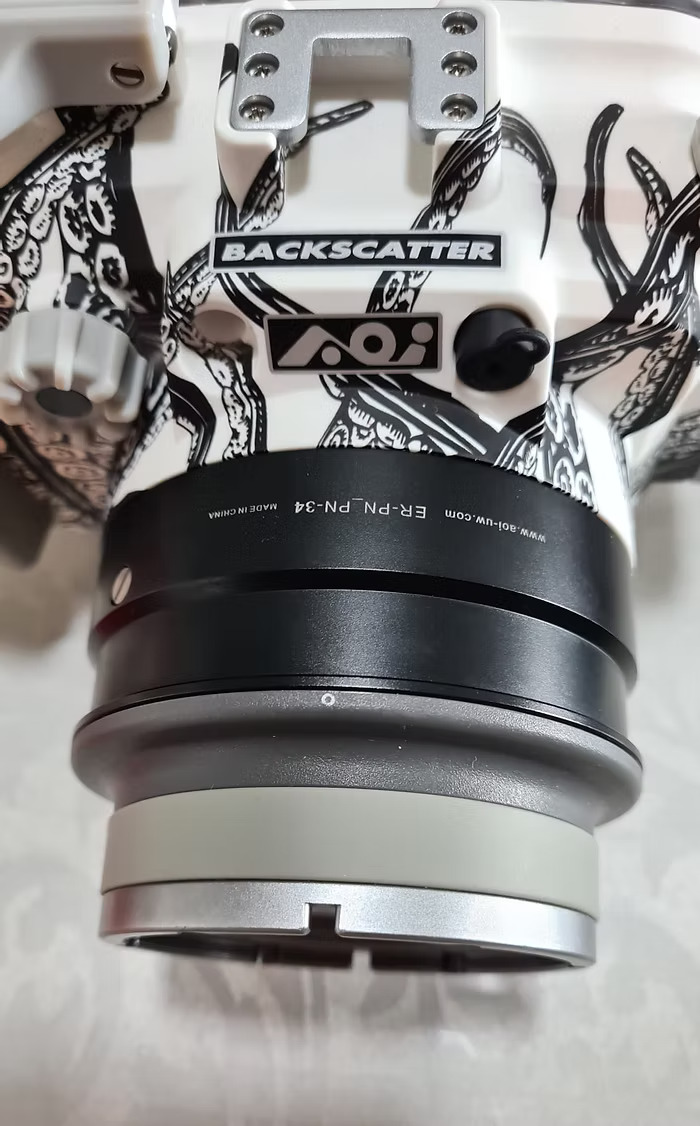
THAT FEELING WHEN…
As I got to the bottom and took my camera, I noticed the solid red warning light. There was no sound. It probably went off as I went down but I missed it due to the rush and not having my camera in front of me. I tilted my camera downwards and didn’t see any sign of water. But upon closer inspection, I saw the lens was half submerged in water.
I cried at this point because I knew it was gone. No saving it. My anguish (yes I dare to use that word) also caused a delay in going up. I figured because it was gone, there was no point in rushing and jeopardising my own safety. I thought maybe I could have saved the camera body, because at that point I still didn’t see any water touching that part. Either way, the lens was totally submerged by the time we were on the surface.
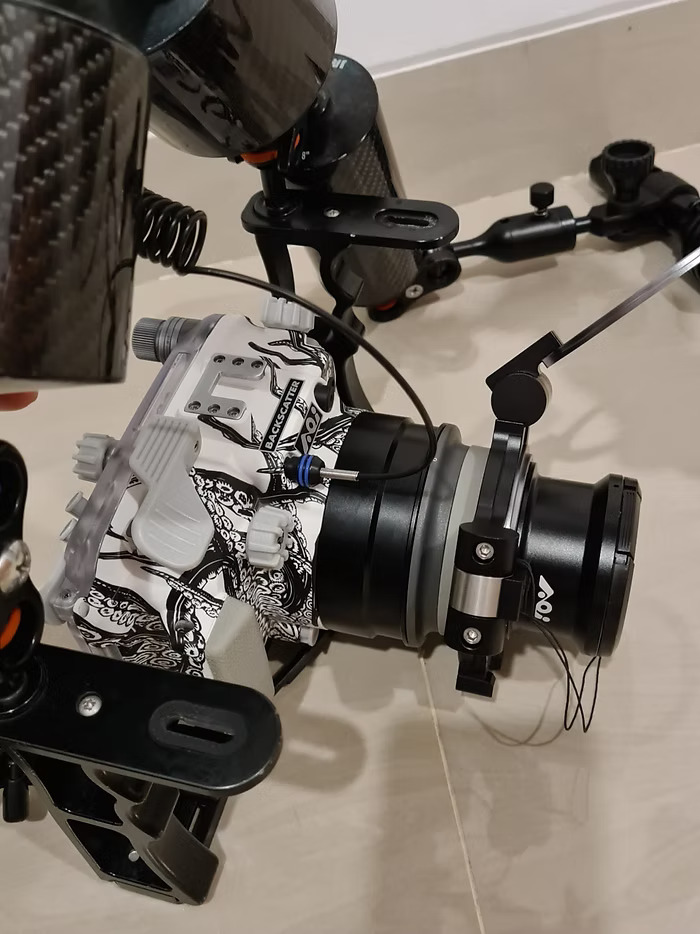
RECOVERY?
Once at the surface we opened up the housing. The light was still red, pressure gone but it meant the electronics still worked. From initial inspection, I can tell that the camera body was dry but with slight water present on the lens port. At this point I wished I had read a few blogs on what to do after flooding. For strobes, I have seen photographers rinsing it with 70% alcohol. For housing? We ended up rinsing it with freshwater.
In hindsight, maybe the electronic sensor was fine as it looked dry. But it is always good to rinse it in fresh water if you’re not sure. Getting it replaced is always ideal. For the camera, do not turn it on if you are not sure! Remove the battery and memory card. I made the mistake of turning it on thinking it was dry. Shortly after, the battery short circuited.
IN THE DETAILS…
Another important lesson is to never throw anything! We threw out the electronic sensor thinking it was practically useless. I learned later on that I can’t buy it as a retail item, AOI only accepts one-to-one exchange with a fee. Well…. I might have to buy new housing too after all.
So in conclusion, that dive was not a photography dive. If you’re really into underwater macro photography and the sole purpose of the dive was to capture great photographs, there are certain conditions that have to be met. Camera facility is really important. Be it the set up table, the transit or the post-dive, you have to have the facility available or create one.
USEFUL ITEMS
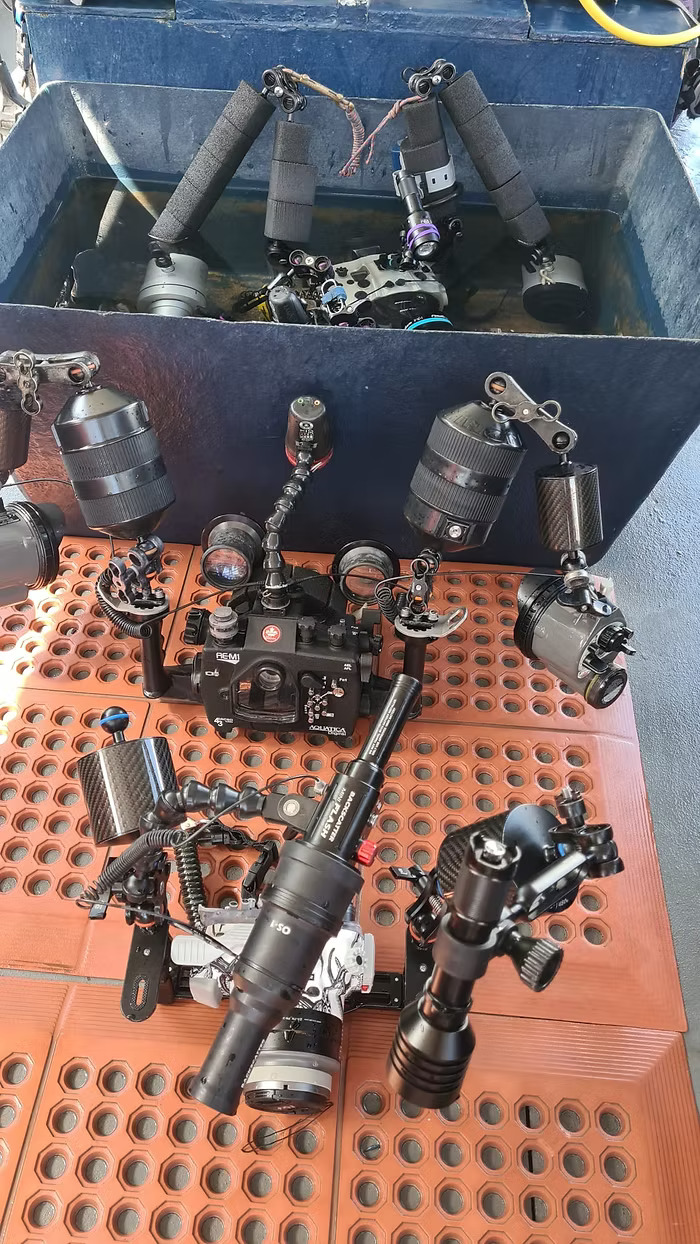
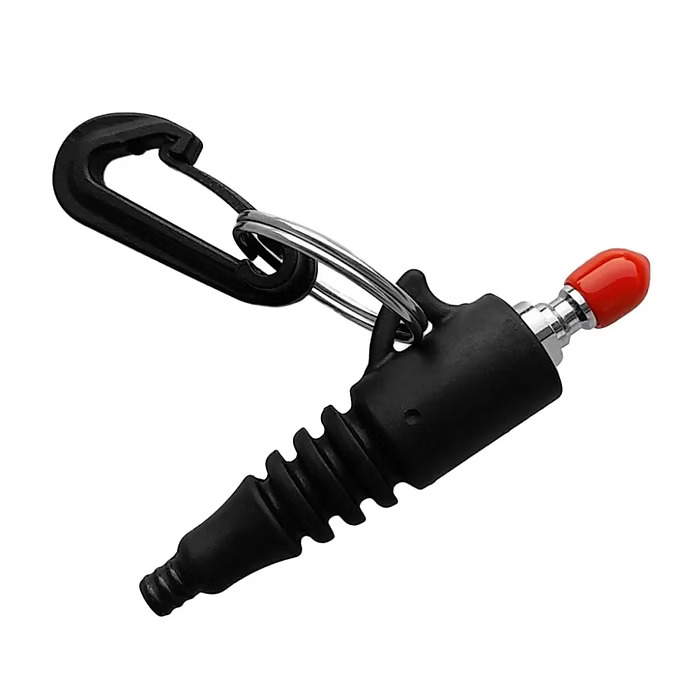
Cinebags is a great gear as it can be used as a freshwater rinse bag. If you don’t have an air-gun to dry your rig, a portable scuba air nozzle can be easily connected to your low pressure inflator hose via the quick coupling. Bring an extra towel or two for your camera. Make sure you have a spare of everything if you’re traveling to a remote location.
CONDITIONS
Another factor to consider for macro photography diving is the current. You don’t want to go to a place with a strong current. That might be great for wide-angle fish action, but not really suitable for macro photography. Basically, know where you’re diving to decide which set up to bring. Lastly, if your gut instinct says not to bring the camera, you’re most likely right.
To add salt to the injury, the goby wasn’t even there in the end.
P.S. This post is dedicated to Shinto, the O.G. ‘flooded camera.’ He’s a great friend and a great photographer. Find him on IG @floodedcamera and ask for his story of Flooded Camera.